GENERAL KNOWLEDGE PRACTICE SERIES • PART 2
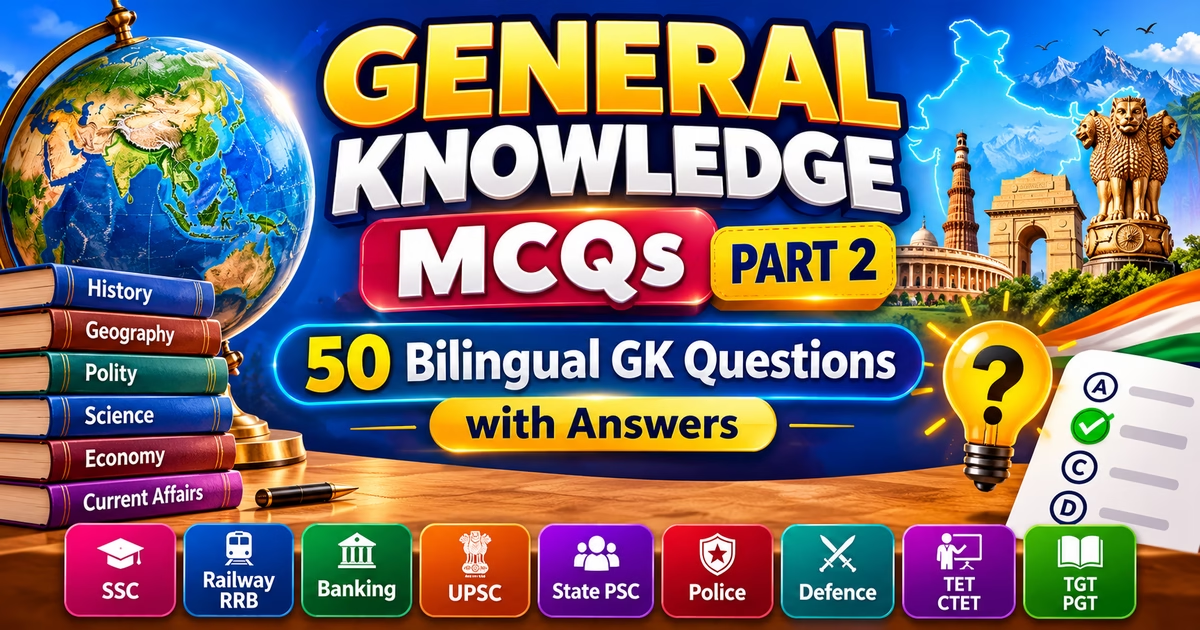
General Knowledge MCQs – Part 2: 50 Bilingual GK Questions with Answers
General Knowledge MCQs का यह Part 2 evergreen और exam-oriented practice के लिए तैयार किया गया है। इसमें Indian History, Indian Polity, Indian Economy, Geography, General Science, Environment, Computer, Digital Awareness और Education से जुड़े महत्वपूर्ण प्रश्न शामिल हैं।
यह series केवल TGT और PGT candidates तक सीमित नहीं है। SSC, Railway/RRB, Banking, UPSC, State PSC, Police, Defence, TET/CTET तथा अन्य competitive और government examinations की basic GK preparation के लिए भी उपयोगी है।
प्रत्येक question, option और answer English + Hindi दोनों भाषाओं में दिया गया है ताकि English Medium और Hindi Medium दोनों learners आसानी से practice कर सकें।
50
MCQs / प्रश्न
100%
Bilingual / द्विभाषी
6+
GK Areas / क्षेत्र
Part 2
Practice Series
📌 Important Note / महत्वपूर्ण सूचना:
यह 50 questions का practice set है। यह किसी particular examination में पूछे जाने वाले questions की guarantee नहीं है। वास्तविक परीक्षा के लिए संबंधित official notification और syllabus को अंतिम reference माना जाना चाहिए।
इस Part में जानबूझकर evergreen/static topics को प्राथमिकता दी गई है। इसलिए article title में किसी एक वर्ष को जोड़ने के बजाय इसे long-term General Knowledge resource के रूप में रखा गया है।
📚 General Knowledge MCQs Part 2 – What You Will Practise
इस General Knowledge MCQs practice set में History, Polity, Economy, Geography, Science, Environment, Computer और Educational Awareness के प्रश्न शामिल हैं। इसका उद्देश्य केवल किसी एक recruitment examination की तैयारी कराना नहीं, बल्कि विभिन्न competitive examinations के लिए मजबूत foundational GK तैयार करना है।
यदि आप GK Questions and Answers, GK MCQs, General Awareness Questions, General Studies Questions, Static GK Questions, GK Questions in Hindi, General knowledge MCQs,GK Questions in English या Competitive Exam GK खोज रहे हैं, तो यह series आपके regular revision के लिए उपयोगी resource है।
🏛️ Section 1: Indian History GK Questions / भारतीय इतिहास सामान्य ज्ञान
General knowledge MCQs Post के इस section में Ancient, Medieval और Modern Indian History से जुड़े ऐसे foundational facts दिए गए हैं जो विभिन्न SSC GK, Railway GK, UPSC General Studies, State PSC GK, Police Exam GK, Defence Exam GK, TGT GK और PGT GK preparation में उपयोगी हो सकते हैं।
Q1. The Great Bath is one of the most important structures discovered at which Harappan site?ग्रेट बाथ हड़प्पा सभ्यता के किस स्थल पर मिली महत्वपूर्ण संरचना है?
A. Harappa / हड़प्पा
B. Mohenjo-daro / मोहनजोदड़ो
C. Lothal / लोथल
D. Kalibangan / कालीबंगा
Answer / उत्तर: B. Mohenjo-daro / मोहनजोदड़ो
Explanation / व्याख्या: The Great Bath is a famous archaeological structure at Mohenjo-daro. / ग्रेट बाथ मोहनजोदड़ो में मिली प्रसिद्ध पुरातात्त्विक संरचना है।
Q2. Which is the oldest Veda?सबसे प्राचीन वेद कौन-सा है?
A. Samaveda / सामवेद
B. Yajurveda / यजुर्वेद
C. Rigveda / ऋग्वेद
D. Atharvaveda / अथर्ववेद
Answer / उत्तर: C. Rigveda / ऋग्वेद
Explanation / व्याख्या: Rigveda is generally regarded as the oldest of the four Vedas. / ऋग्वेद को सामान्यतः चारों वेदों में सबसे प्राचीन माना जाता है।
Q3. Where did Gautama Buddha deliver his first sermon?गौतम बुद्ध ने अपना पहला उपदेश कहाँ दिया था?
A. Bodh Gaya / बोधगया
B. Sarnath / सारनाथ
C. Kushinagar / कुशीनगर
D. Rajgir / राजगीर
Answer / उत्तर: B. Sarnath / सारनाथ
Explanation / व्याख्या: Buddha delivered his first sermon at Sarnath, traditionally known as the setting of his first teaching. / बुद्ध ने अपना पहला उपदेश सारनाथ में दिया था।
Q4. The Lion Capital associated with India’s National Emblem was adopted from which place?भारत के राष्ट्रीय प्रतीक से संबंधित सिंह स्तंभ किस स्थान से लिया गया है?
A. Sanchi / साँची
B. Sarnath / सारनाथ
C. Nalanda / नालंदा
D. Taxila / तक्षशिला
Answer / उत्तर: B. Sarnath / सारनाथ
Explanation / व्याख्या: The Lion Capital of Ashoka at Sarnath is the source of India’s State Emblem. / सारनाथ स्थित अशोक का सिंह स्तंभ भारत के राज्य प्रतीक का आधार है।
Q5. Who wrote the ancient work known as Arthashastra?अर्थशास्त्र नामक प्राचीन ग्रंथ के लेखक कौन माने जाते हैं?
A. Kalidasa / कालिदास
B. Kautilya / कौटिल्य
C. Banabhatta / बाणभट्ट
D. Patanjali / पतंजलि
Answer / उत्तर: B. Kautilya / कौटिल्य
Explanation / व्याख्या: Arthashastra is traditionally attributed to Kautilya, also known as Chanakya or Vishnugupta. / अर्थशास्त्र का श्रेय परंपरागत रूप से कौटिल्य, जिन्हें चाणक्य या विष्णुगुप्त भी कहा जाता है, को दिया जाता है।
Q6. Who wrote Indica, an important account of ancient India?प्राचीन भारत का महत्वपूर्ण विवरण ‘इंडिका’ किसने लिखा था?
A. Megasthenes / मेगस्थनीज
B. Fa-Hien / फाह्यान
C. Hiuen Tsang / ह्वेनसांग
D. Al-Biruni / अल-बिरूनी
Answer / उत्तर: A. Megasthenes / मेगस्थनीज
Explanation / व्याख्या: Megasthenes was a Greek ambassador to the court of Chandragupta Maurya and is associated with Indica. / मेगस्थनीज चंद्रगुप्त मौर्य के दरबार से संबंधित यूनानी राजदूत था और इंडिका से जुड़ा है।
Q7. Which ancient Indian dynasty is widely associated with a major period of classical cultural development called the Gupta Age?किस प्राचीन भारतीय राजवंश का संबंध शास्त्रीय सांस्कृतिक विकास के महत्वपूर्ण काल से है जिसे गुप्त युग कहा जाता है?
A. Gupta Dynasty / गुप्त राजवंश
B. Chola Dynasty / चोल राजवंश
C. Slave Dynasty / गुलाम वंश
D. Lodi Dynasty / लोदी वंश
Answer / उत्तर: A. Gupta Dynasty / गुप्त राजवंश
Explanation / व्याख्या: The Gupta period is noted for major achievements in literature, science, mathematics and art. / गुप्त काल साहित्य, विज्ञान, गणित और कला में महत्वपूर्ण उपलब्धियों के लिए जाना जाता है।
Q8. Who wrote Kitab-ul-Hind?किताब-उल-हिंद किसने लिखी थी?
A. Amir Khusrau / अमीर खुसरो
B. Al-Biruni / अल-बिरूनी
C. Ibn Battuta / इब्न बतूता
D. Abul Fazl / अबुल फज़ल
Answer / उत्तर: B. Al-Biruni / अल-बिरूनी
Explanation / व्याख्या: Al-Biruni wrote an extensive account of Indian society, culture and knowledge traditions known as Kitab-ul-Hind. / अल-बिरूनी ने भारतीय समाज, संस्कृति और ज्ञान पर विस्तृत विवरण लिखा जिसे किताब-उल-हिंद के नाम से जाना जाता है।
Q9. The First Battle of Panipat was fought in which year?पानीपत का प्रथम युद्ध किस वर्ष लड़ा गया था?
A. 1526 / 1526
B. 1556 / 1556
C. 1761 / 1761
D. 1707 / 1707
Answer / उत्तर: A. 1526 / 1526
Explanation / व्याख्या: The First Battle of Panipat was fought in 1526 between Babur and Ibrahim Lodi. / पानीपत का प्रथम युद्ध 1526 में बाबर और इब्राहिम लोदी के बीच हुआ था।
Q10. The Revolt of 1857 began at which place?1857 का विद्रोह किस स्थान से प्रारंभ हुआ था?
A. Delhi / दिल्ली
B. Kanpur / कानपुर
C. Meerut / मेरठ
D. Lucknow / लखनऊ
Answer / उत्तर: C. Meerut / मेरठ
Explanation / व्याख्या: The major uprising of 1857 began at Meerut on 10 May 1857 and then spread to other centres. / 1857 का प्रमुख विद्रोह 10 मई 1857 को मेरठ से प्रारंभ हुआ और अन्य केंद्रों तक फैल गया।
⚖️ Section 2: Indian Polity & Constitution GK / भारतीय राजव्यवस्था एवं संविधान
यह section Indian Polity GK, Constitution Questions, General Studies, SSC GK, UPSC GK, State PSC, Police Exam, Defence Exam, TGT और PGT preparation के लिए उपयोगी constitutional facts पर आधारित है।
Q11. Which Constitutional Amendment added the words “Socialist” and “Secular” to the Preamble?किस संविधान संशोधन द्वारा प्रस्तावना में “समाजवादी” और “पंथनिरपेक्ष” शब्द जोड़े गए?
A. 24th Amendment / 24वाँ संशोधन
B. 42nd Amendment / 42वाँ संशोधन
C. 44th Amendment / 44वाँ संशोधन
D. 73rd Amendment / 73वाँ संशोधन
Answer / उत्तर: B. 42nd Amendment / 42वाँ संशोधन
Explanation / व्याख्या: The 42nd Constitutional Amendment Act, 1976 added “Socialist”, “Secular” and “Integrity” to the Preamble. / 42वें संविधान संशोधन अधिनियम, 1976 द्वारा प्रस्तावना में “समाजवादी”, “पंथनिरपेक्ष” और “अखंडता” से संबंधित शब्द जोड़े गए।
Q12. Article 14 of the Constitution deals with which principle?संविधान का अनुच्छेद 14 किस सिद्धांत से संबंधित है?
A. Equality before law and equal protection of laws / विधि के समक्ष समानता और विधियों का समान संरक्षण
B. Freedom of religion / धार्मिक स्वतंत्रता
C. Right to education / शिक्षा का अधिकार
D. Right to property / संपत्ति का अधिकार
Answer / उत्तर: A. Equality before law and equal protection of laws / विधि के समक्ष समानता और विधियों का समान संरक्षण
Explanation / व्याख्या: Article 14 guarantees equality before law and equal protection of laws. / अनुच्छेद 14 विधि के समक्ष समानता और विधियों के समान संरक्षण की गारंटी देता है।
Q13. Article 32 of the Constitution is mainly associated with which right?संविधान का अनुच्छेद 32 मुख्यतः किस अधिकार से संबंधित है?
A. Right to Constitutional Remedies / संवैधानिक उपचार का अधिकार
B. Right to Equality / समानता का अधिकार
C. Right against Exploitation / शोषण के विरुद्ध अधिकार
D. Cultural Rights / सांस्कृतिक अधिकार
Answer / उत्तर: A. Right to Constitutional Remedies / संवैधानिक उपचार का अधिकार
Explanation / व्याख्या: Article 32 provides the right to move the Supreme Court for enforcement of Fundamental Rights. / अनुच्छेद 32 मौलिक अधिकारों के प्रवर्तन के लिए सर्वोच्च न्यायालय जाने का अधिकार प्रदान करता है।
Q14. Article 40 of the Constitution directs the State to organize which institutions?संविधान का अनुच्छेद 40 राज्य को किन संस्थाओं के संगठन का निर्देश देता है?
A. Municipal Corporations / नगर निगम
B. Village Panchayats / ग्राम पंचायतें
C. High Courts / उच्च न्यायालय
D. Election Tribunals / निर्वाचन न्यायाधिकरण
Answer / उत्तर: B. Village Panchayats / ग्राम पंचायतें
Explanation / व्याख्या: Article 40 is a Directive Principle concerning the organization of village panchayats. / अनुच्छेद 40 ग्राम पंचायतों के संगठन से संबंधित राज्य के नीति-निर्देशक तत्व का प्रावधान है।
Q15. Fundamental Duties are mentioned in which Part of the Constitution?मौलिक कर्तव्यों का उल्लेख संविधान के किस भाग में है?
A. Part III / भाग III
B. Part IV / भाग IV
C. Part IVA / भाग IVA
D. Part V / भाग V
Answer / उत्तर: C. Part IVA / भाग IVA
Explanation / व्याख्या: Fundamental Duties are contained in Part IVA under Article 51A. / मौलिक कर्तव्य भाग IVA में अनुच्छेद 51A के अंतर्गत दिए गए हैं।
Q16. Which constitutional authority audits the accounts of the Union and the States?कौन-सा संवैधानिक प्राधिकरण केंद्र और राज्यों के खातों का लेखा-परीक्षण करता है?
A. Election Commission / निर्वाचन आयोग
B. Comptroller and Auditor General / नियंत्रक एवं महालेखा परीक्षक
C. Finance Commission / वित्त आयोग
D. UPSC / संघ लोक सेवा आयोग
Answer / उत्तर: B. Comptroller and Auditor General / नियंत्रक एवं महालेखा परीक्षक
Explanation / व्याख्या: The Comptroller and Auditor General of India is a constitutional authority provided under Article 148. / भारत के नियंत्रक एवं महालेखा परीक्षक का संवैधानिक प्रावधान अनुच्छेद 148 में है।
Q17. The Finance Commission of India is constituted under which Article?भारत के वित्त आयोग का गठन किस अनुच्छेद के अंतर्गत किया जाता है?
A. Article 280 / अनुच्छेद 280
B. Article 300 / अनुच्छेद 300
C. Article 315 / अनुच्छेद 315
D. Article 360 / अनुच्छेद 360
Answer / उत्तर: A. Article 280 / अनुच्छेद 280
Explanation / व्याख्या: Article 280 provides for the Finance Commission. / अनुच्छेद 280 वित्त आयोग के गठन का प्रावधान करता है।
Q18. The Union Public Service Commission is provided for under which Article?संघ लोक सेवा आयोग का प्रावधान किस अनुच्छेद के अंतर्गत है?
A. Article 280 / अनुच्छेद 280
B. Article 315 / अनुच्छेद 315
C. Article 324 / अनुच्छेद 324
D. Article 343 / अनुच्छेद 343
Answer / उत्तर: B. Article 315 / अनुच्छेद 315
Explanation / व्याख्या: Article 315 provides for Public Service Commissions for the Union and the States. / अनुच्छेद 315 संघ और राज्यों के लिए लोक सेवा आयोगों का प्रावधान करता है।
Q19. The President of India can promulgate an Ordinance under which Article?भारत के राष्ट्रपति किस अनुच्छेद के अंतर्गत अध्यादेश जारी कर सकते हैं?
A. Article 123 / अनुच्छेद 123
B. Article 143 / अनुच्छेद 143
C. Article 213 / अनुच्छेद 213
D. Article 356 / अनुच्छेद 356
Answer / उत्तर: A. Article 123 / अनुच्छेद 123
Explanation / व्याख्या: Article 123 deals with the President’s power to promulgate Ordinances when Parliament is not in session, subject to constitutional conditions. / अनुच्छेद 123 संसद के सत्र में न होने पर निर्धारित संवैधानिक परिस्थितियों में राष्ट्रपति की अध्यादेश जारी करने की शक्ति से संबंधित है।
Q20. National Emergency on grounds of war, external aggression or armed rebellion is provided under which Article?युद्ध, बाहरी आक्रमण या सशस्त्र विद्रोह के आधार पर राष्ट्रीय आपातकाल का प्रावधान किस अनुच्छेद में है?
A. Article 352 / अनुच्छेद 352
B. Article 356 / अनुच्छेद 356
C. Article 360 / अनुच्छेद 360
D. Article 365 / अनुच्छेद 365
Answer / उत्तर: A. Article 352 / अनुच्छेद 352
Explanation / व्याख्या: Article 352 deals with Proclamation of Emergency on the specified grounds. / अनुच्छेद 352 निर्धारित आधारों पर राष्ट्रीय आपातकाल की उद्घोषणा से संबंधित है।
💰 Section 3: Indian Economy GK Questions / भारतीय अर्थव्यवस्था सामान्य ज्ञान
यह section Indian Economy GK, Banking GK, SSC Economy Questions, UPSC General Studies, Railway GK, State PSC और Government Exam GK preparation के लिए basic economic concepts और institutions पर केंद्रित है।
Q21. What does fiscal deficit broadly represent?राजकोषीय घाटा सामान्यतः किसे दर्शाता है?
A. Excess of total expenditure over total receipts excluding borrowings / उधार को छोड़कर कुल प्राप्तियों से कुल व्यय की अधिकता
B. Total exports over imports / आयात की तुलना में कुल निर्यात
C. Total tax collection only / केवल कुल कर संग्रह
D. Total foreign exchange reserves / कुल विदेशी मुद्रा भंडार
Answer / उत्तर: A. Excess of total expenditure over total receipts excluding borrowings / उधार को छोड़कर कुल प्राप्तियों से कुल व्यय की अधिकता
Explanation / व्याख्या: Fiscal deficit indicates the government’s borrowing requirement arising from the gap between expenditure and receipts excluding borrowings. / राजकोषीय घाटा सरकार की उस उधारी आवश्यकता को दर्शाता है जो उधार को छोड़कर व्यय और प्राप्तियों के अंतर से उत्पन्न होती है।
Q22. What does CRR stand for in banking?बैंकिंग में CRR का पूरा नाम क्या है?
A. Cash Reserve Ratio / नकद आरक्षित अनुपात
B. Capital Return Rate / पूंजी प्रतिफल दर
C. Credit Recovery Ratio / ऋण वसूली अनुपात
D. Current Revenue Reserve / चालू राजस्व आरक्षित
Answer / उत्तर: A. Cash Reserve Ratio / नकद आरक्षित अनुपात
Explanation / व्याख्या: CRR refers to the proportion of a bank’s Net Demand and Time Liabilities that it is required to maintain with the Reserve Bank as prescribed. / CRR बैंक की निर्धारित NDTL के उस अनुपात से संबंधित है जिसे बैंक को RBI के पास बनाए रखना होता है।
Q23. SEBI became a statutory body under which Act?SEBI किस अधिनियम के अंतर्गत वैधानिक निकाय बना?
A. RBI Act, 1934 / RBI अधिनियम, 1934
B. SEBI Act, 1992 / SEBI अधिनियम, 1992
C. Companies Act, 1956 / कंपनी अधिनियम, 1956
D. Banking Regulation Act, 1949 / बैंकिंग विनियमन अधिनियम, 1949
Answer / उत्तर: B. SEBI Act, 1992 / SEBI अधिनियम, 1992
Explanation / व्याख्या: SEBI was constituted as a non-statutory body in 1988 and became a statutory body under the SEBI Act, 1992. / SEBI का गठन 1988 में गैर-वैधानिक निकाय के रूप में हुआ और SEBI Act, 1992 के अंतर्गत इसे वैधानिक दर्जा मिला।
Q24. Which institution primarily regulates India’s securities market?भारत के प्रतिभूति बाजार को मुख्यतः कौन-सा संस्थान विनियमित करता है?
A. RBI / RBI
B. SEBI / SEBI
C. NITI Aayog / नीति आयोग
D. NABARD / NABARD
Answer / उत्तर: B. SEBI / SEBI
Explanation / व्याख्या: SEBI’s statutory objectives include protecting investors and regulating and developing the securities market. / SEBI के वैधानिक उद्देश्यों में निवेशकों के हितों की रक्षा तथा प्रतिभूति बाजार का विनियमन और विकास शामिल है।
Q25. Which sector includes agriculture, forestry and fishing?कृषि, वानिकी और मत्स्य पालन किस क्षेत्र में आते हैं?
A. Primary sector / प्राथमिक क्षेत्र
B. Secondary sector / द्वितीयक क्षेत्र
C. Tertiary sector / तृतीयक क्षेत्र
D. Quaternary sector / चतुर्थक क्षेत्र
Answer / उत्तर: A. Primary sector / प्राथमिक क्षेत्र
Explanation / व्याख्या: The primary sector is directly connected with natural resources and includes activities such as agriculture, forestry and fishing. / प्राथमिक क्षेत्र प्राकृतिक संसाधनों से सीधे जुड़ा होता है और इसमें कृषि, वानिकी तथा मत्स्य पालन जैसी गतिविधियाँ शामिल हैं।
Q26. Which institution is India’s central bank?भारत का केंद्रीय बैंक कौन-सा है?
A. State Bank of India / भारतीय स्टेट बैंक
B. Reserve Bank of India / भारतीय रिज़र्व बैंक
C. NABARD / नाबार्ड
D. SEBI / सेबी
Answer / उत्तर: B. Reserve Bank of India / भारतीय रिज़र्व बैंक
Explanation / व्याख्या: The Reserve Bank of India is India’s central bank and performs major monetary and banking-system functions. / भारतीय रिज़र्व बैंक भारत का केंद्रीय बैंक है और मौद्रिक तथा बैंकिंग व्यवस्था से संबंधित प्रमुख कार्य करता है।
Q27. What is disinvestment in the public sector context?सार्वजनिक क्षेत्र के संदर्भ में विनिवेश क्या है?
A. Sale of government stake in a public enterprise / सार्वजनिक उपक्रम में सरकार की हिस्सेदारी की बिक्री
B. Increase in government borrowing only / केवल सरकारी उधारी में वृद्धि
C. Printing additional currency / अतिरिक्त मुद्रा छापना
D. Increase in imports / आयात में वृद्धि
Answer / उत्तर: A. Sale of government stake in a public enterprise / सार्वजनिक उपक्रम में सरकार की हिस्सेदारी की बिक्री
Explanation / व्याख्या: Disinvestment generally refers to the sale of part or all of the government’s stake in a public sector enterprise. / विनिवेश सामान्यतः सार्वजनिक उपक्रम में सरकार की कुछ या पूरी हिस्सेदारी बेचने को कहा जाता है।
🌍 Section 4: Indian Geography GK Questions / भारतीय भूगोल सामान्य ज्ञान
इस section में Indian Geography GK, Geography Questions, SSC Geography, Railway GK, UPSC Geography, State PSC GK, TET GK और General Awareness के लिए important geographical facts शामिल हैं।
Q28. What is the approximate Standard Meridian of India?भारत की मानक याम्योत्तर रेखा लगभग कितने देशांतर पर स्थित है?
A. 68°7′ E / 68°7′ पूर्व
B. 75° E / 75° पूर्व
C. 82°30′ E / 82°30′ पूर्व
D. 90° E / 90° पूर्व
Answer / उत्तर: C. 82°30′ E / 82°30′ पूर्व
Explanation / व्याख्या: Indian Standard Time is based on the 82°30′ E meridian. / भारतीय मानक समय 82°30′ पूर्व देशांतर पर आधारित है।
Q29. Which plateau covers a large part of peninsular India and has a roughly triangular shape?प्रायद्वीपीय भारत के बड़े भाग में फैला लगभग त्रिकोणीय आकार वाला पठार कौन-सा है?
A. Deccan Plateau / दक्कन का पठार
B. Malwa Plateau / मालवा का पठार
C. Meghalaya Plateau / मेघालय का पठार
D. Chota Nagpur Plateau / छोटानागपुर का पठार
Answer / उत्तर: A. Deccan Plateau / दक्कन का पठार
Explanation / व्याख्या: The Deccan Plateau occupies a large part of the Peninsular Plateau and is broadly triangular in shape. / दक्कन का पठार प्रायद्वीपीय पठार के बड़े भाग में फैला है और इसका आकार मोटे तौर पर त्रिकोणीय है।
Q30. Which mountain range runs parallel to India’s western coast?भारत के पश्चिमी तट के समानांतर कौन-सी पर्वत श्रृंखला स्थित है?
A. Eastern Ghats / पूर्वी घाट
B. Western Ghats / पश्चिमी घाट
C. Aravalli Range / अरावली पर्वतमाला
D. Himalayas / हिमालय
Answer / उत्तर: B. Western Ghats / पश्चिमी घाट
Explanation / व्याख्या: The Western Ghats form a major mountain chain along India’s western side. / पश्चिमी घाट भारत के पश्चिमी भाग के साथ स्थित प्रमुख पर्वत श्रृंखला है।
Q31. Which monsoon system is the principal source of rainfall for most of India?भारत के अधिकांश भाग में वर्षा का प्रमुख स्रोत कौन-सी मानसूनी प्रणाली है?
A. Northeast Monsoon / उत्तर-पूर्व मानसून
B. Southwest Monsoon / दक्षिण-पश्चिम मानसून
C. Polar Winds / ध्रुवीय पवनें
D. Westerlies only / केवल पछुआ पवनें
Answer / उत्तर: B. Southwest Monsoon / दक्षिण-पश्चिम मानसून
Explanation / व्याख्या: The southwest monsoon provides the major share of annual rainfall over most parts of India. / दक्षिण-पश्चिम मानसून भारत के अधिकांश भाग में वार्षिक वर्षा का प्रमुख हिस्सा प्रदान करता है।
Q32. Chilika Lake is located in which Indian state?चिलिका झील भारत के किस राज्य में स्थित है?
A. Odisha / ओडिशा
B. West Bengal / पश्चिम बंगाल
C. Andhra Pradesh / आंध्र प्रदेश
D. Kerala / केरल
Answer / उत्तर: A. Odisha / ओडिशा
Explanation / व्याख्या: Chilika is a major natural lagoon in Odisha and a Ramsar site. / चिलिका ओडिशा में स्थित प्रमुख प्राकृतिक लैगून और Ramsar site है।
Q33. Which is the largest Indian state by population according to the 2011 Census?2011 की जनगणना के अनुसार जनसंख्या की दृष्टि से भारत का सबसे बड़ा राज्य कौन-सा था?
A. Maharashtra / महाराष्ट्र
B. Bihar / बिहार
C. Uttar Pradesh / उत्तर प्रदेश
D. West Bengal / पश्चिम बंगाल
Answer / उत्तर: C. Uttar Pradesh / उत्तर प्रदेश
Explanation / व्याख्या: Uttar Pradesh had the highest population among Indian states in the 2011 Census. / 2011 की जनगणना में भारतीय राज्यों में उत्तर प्रदेश की जनसंख्या सबसे अधिक थी।
Q34. Which soil is commonly associated with high iron content and a reddish colour?किस मिट्टी में लौह तत्व की अधिकता और लाल रंग सामान्यतः पाया जाता है?
A. Red soil / लाल मिट्टी
B. Black soil / काली मिट्टी
C. Alluvial soil / जलोढ़ मिट्टी
D. Peaty soil / पीटयुक्त मिट्टी
Answer / उत्तर: A. Red soil / लाल मिट्टी
Explanation / व्याख्या: Red colour in red soils is largely associated with iron compounds. / लाल मिट्टी का लाल रंग मुख्यतः लौह यौगिकों से संबंधित होता है।
🔬 Section 5: General Science & Environment GK / सामान्य विज्ञान एवं पर्यावरण
यह section General Science GK, Science Questions, Human Biology, Physics GK, Environment GK, SSC Science, Railway Science, Defence GK, Police GK, TET GK और General Awareness preparation के लिए बनाया गया है।
Q35. What is the basic hereditary material in most living organisms?अधिकांश जीवों में आनुवंशिकता का मूल पदार्थ क्या है?
A. DNA / DNA
B. Starch / स्टार्च
C. Glycogen / ग्लाइकोजन
D. Cellulose / सेल्यूलोज
Answer / उत्तर: A. DNA / DNA
Explanation / व्याख्या: DNA carries hereditary information in most organisms. / अधिकांश जीवों में DNA आनुवंशिक सूचना को वहन करता है।
Q36. Which organelle is commonly called the powerhouse of the cell?किस कोशिकांग को सामान्यतः कोशिका का पावरहाउस कहा जाता है?
A. Ribosome / राइबोसोम
B. Mitochondrion / माइटोकॉन्ड्रिया
C. Golgi apparatus / गोल्जी तंत्र
D. Lysosome / लाइसोसोम
Answer / उत्तर: B. Mitochondrion / माइटोकॉन्ड्रिया
Explanation / व्याख्या: Mitochondria are major sites of aerobic cellular respiration and ATP production. / माइटोकॉन्ड्रिया कोशिकीय श्वसन और ATP उत्पादन के प्रमुख स्थल हैं।
Q37. Which blood group is known as the universal donor for red blood cell transfusion when ABO and Rh compatibility is considered in basic GK?मूल सामान्य ज्ञान में ABO और Rh संगतता के संदर्भ में लाल रक्त कोशिकाओं के सार्वभौमिक दाता के रूप में किस रक्त समूह को जाना जाता है?
A. AB positive / AB धनात्मक
B. A positive / A धनात्मक
C. O negative / O ऋणात्मक
D. B negative / B ऋणात्मक
Answer / उत्तर: C. O negative / O ऋणात्मक
Explanation / व्याख्या: O-negative red blood cells are commonly described as universal donor cells in basic transfusion terminology, although actual transfusion decisions depend on clinical testing and compatibility protocols. / मूल ट्रांसफ्यूजन terminology में O-negative red blood cells को universal donor कहा जाता है, हालांकि वास्तविक transfusion में clinical testing और compatibility protocols आवश्यक होते हैं।
Q38. What is the SI unit of power?शक्ति की SI इकाई क्या है?
A. Joule / जूल
B. Newton / न्यूटन
C. Watt / वाट
D. Volt / वोल्ट
Answer / उत्तर: C. Watt / वाट
Explanation / व्याख्या: Watt is the SI unit of power. / वाट शक्ति की SI इकाई है।
Q39. Which gas is a major greenhouse gas emitted by human activities?मानवीय गतिविधियों से उत्सर्जित होने वाली प्रमुख greenhouse gases में से एक कौन-सी है?
A. Carbon dioxide / कार्बन डाइऑक्साइड
B. Oxygen / ऑक्सीजन
C. Helium / हीलियम
D. Neon / निऑन
Answer / उत्तर: A. Carbon dioxide / कार्बन डाइऑक्साइड
Explanation / व्याख्या: Carbon dioxide is an important greenhouse gas, with human activities such as fossil-fuel combustion being a major source. / कार्बन डाइऑक्साइड एक महत्वपूर्ण greenhouse gas है और fossil fuels के दहन जैसी मानवीय गतिविधियाँ इसका प्रमुख स्रोत हैं।
Q40. The term biodiversity refers broadly to what?जैव विविधता शब्द का व्यापक अर्थ क्या है?
A. Variety of life forms / जीवों के विभिन्न रूपों की विविधता
B. Only number of forests / केवल वनों की संख्या
C. Only soil types / केवल मिट्टी के प्रकार
D. Only rainfall variation / केवल वर्षा की विविधता
Answer / उत्तर: A. Variety of life forms / जीवों के विभिन्न रूपों की विविधता
Explanation / व्याख्या: Biodiversity encompasses the variety of living organisms and biological diversity at different levels. / जैव विविधता जीवों और जैविक विविधता के विभिन्न स्तरों पर पाई जाने वाली विविधता को दर्शाती है।
Q41. Which international convention is associated with wetlands of international importance?अंतरराष्ट्रीय महत्व की आर्द्रभूमियों से संबंधित अंतरराष्ट्रीय समझौता कौन-सा है?
A. Ramsar Convention / रामसर कन्वेंशन
B. Montreal Protocol / मॉन्ट्रियल प्रोटोकॉल
C. Kyoto Protocol / क्योटो प्रोटोकॉल
D. Basel Convention / बेसल कन्वेंशन
Answer / उत्तर: A. Ramsar Convention / रामसर कन्वेंशन
Explanation / व्याख्या: The Ramsar Convention is an international treaty concerning the conservation and wise use of wetlands. / रामसर कन्वेंशन आर्द्रभूमियों के संरक्षण और wise use से संबंधित अंतरराष्ट्रीय संधि है।
Q42. Which Indian mountain range is recognized as one of the world’s important biodiversity hotspots?भारत की कौन-सी पर्वत श्रृंखला विश्व के महत्वपूर्ण biodiversity hotspots में शामिल है?
A. Western Ghats / पश्चिमी घाट
B. Aravallis / अरावली
C. Vindhyas / विंध्य
D. Satpuras / सतपुड़ा
Answer / उत्तर: A. Western Ghats / पश्चिमी घाट
Explanation / व्याख्या: UNESCO recognizes the Western Ghats for exceptionally high biological diversity and endemism. / UNESCO पश्चिमी घाट को अत्यधिक जैव विविधता और endemic species के लिए महत्वपूर्ण क्षेत्र के रूप में मान्यता देता है।
Q43. Which planet is known as the Red Planet?किस ग्रह को लाल ग्रह कहा जाता है?
A. Venus / शुक्र
B. Mars / मंगल
C. Jupiter / बृहस्पति
D. Mercury / बुध
Answer / उत्तर: B. Mars / मंगल
Explanation / व्याख्या: Mars is commonly called the Red Planet because of the reddish appearance of its surface. / मंगल को उसकी सतह के लाल रंग के कारण लाल ग्रह कहा जाता है।
Q44. Which Indian space mission successfully demonstrated a soft landing near the Moon’s south polar region?भारत के किस अंतरिक्ष मिशन ने चंद्रमा के दक्षिणी ध्रुवीय क्षेत्र के निकट सफल soft landing प्रदर्शित की?
A. Chandrayaan-1 / चंद्रयान-1
B. Chandrayaan-2 / चंद्रयान-2
C. Chandrayaan-3 / चंद्रयान-3
D. Mangalyaan / मंगलयान
Answer / उत्तर: C. Chandrayaan-3 / चंद्रयान-3
Explanation / व्याख्या: ISRO’s Chandrayaan-3 lander successfully soft-landed near the Moon’s south polar region in August 2023. / ISRO के चंद्रयान-3 लैंडर ने अगस्त 2023 में चंद्रमा के दक्षिणी ध्रुवीय क्षेत्र के निकट सफल soft landing की।
💻 Section 6: Computer, Digital Awareness & Educational Technology GK
यह section Computer GK, Internet Questions, Digital Awareness, ICT Questions, Educational Technology, SSC Computer GK, Railway Computer Questions, Banking Awareness, TET/CTET और Teacher Exam GK preparation के लिए उपयोगी है।
Q45. Which type of memory retains data even when the power is switched off?किस प्रकार की memory बिजली बंद होने के बाद भी data को बनाए रखती है?
A. RAM / RAM
B. ROM / ROM
C. Cache only / केवल Cache
D. Register only / केवल Register
Answer / उत्तर: B. ROM / ROM
Explanation / व्याख्या: ROM is non-volatile memory, so its stored information is retained when power is removed. / ROM non-volatile memory है, इसलिए बिजली बंद होने पर इसमें stored information बनी रहती है।
Q46. What does IP stand for in the term IP address?IP address में IP का पूरा नाम क्या है?
A. Internet Protocol / इंटरनेट प्रोटोकॉल
B. Internal Program / इंटरनल प्रोग्राम
C. Internet Process / इंटरनेट प्रोसेस
D. Information Path / इन्फॉर्मेशन पाथ
Answer / उत्तर: A. Internet Protocol / इंटरनेट प्रोटोकॉल
Explanation / व्याख्या: IP stands for Internet Protocol, a set of rules used for addressing and routing packets across networks. / IP का अर्थ Internet Protocol है, जो networks में addressing और packet routing से संबंधित नियमों का समूह है।
Q47. What is a firewall primarily used for?Firewall का मुख्य उपयोग किस लिए किया जाता है?
A. Network traffic filtering and security / नेटवर्क traffic filtering और सुरक्षा
B. Increasing screen size / स्क्रीन का आकार बढ़ाना
C. Printing faster / तेजी से printing करना
D. Creating photographs / फोटो बनाना
Answer / उत्तर: A. Network traffic filtering and security / नेटवर्क traffic filtering और सुरक्षा
Explanation / व्याख्या: A firewall helps control network traffic according to defined security rules. / Firewall निर्धारित security rules के आधार पर network traffic को control करने में मदद करता है।
Q48. What is malware?Malware क्या है?
A. Malicious software designed to harm, disrupt or gain unauthorized access / हानि, व्यवधान या अनधिकृत access के लिए बनाया गया malicious software
B. A spreadsheet format / spreadsheet का format
C. A printer driver only / केवल printer driver
D. A legal document / कानूनी दस्तावेज़
Answer / उत्तर: A. Malicious software designed to harm, disrupt or gain unauthorized access / हानि, व्यवधान या अनधिकृत access के लिए बनाया गया malicious software
Explanation / व्याख्या: Malware is a broad term for malicious software such as viruses, worms, trojans and ransomware. / Malware malicious software के लिए व्यापक term है, जिसमें viruses, worms, trojans और ransomware शामिल हो सकते हैं।
Q49. Under the National Education Policy 2020, the school education structure is organized into which pattern?राष्ट्रीय शिक्षा नीति 2020 के अनुसार school education को किस structure में व्यवस्थित किया गया है?
A. 10+2+3 / 10+2+3
B. 5+3+3+4 / 5+3+3+4
C. 8+4 / 8+4
D. 6+6 / 6+6
Answer / उत्तर: B. 5+3+3+4 / 5+3+3+4
Explanation / व्याख्या: NEP 2020 proposes a 5+3+3+4 curricular and pedagogical structure covering ages 3–18. / NEP 2020 में 3–18 वर्ष की आयु के लिए 5+3+3+4 curricular और pedagogical structure प्रस्तावित है।
Q50. What does Aadhaar number consist of according to UIDAI?UIDAI के अनुसार Aadhaar number कितने अंकों का होता है?
A. 10-digit number / 10 अंकों की संख्या
B. 11-digit number / 11 अंकों की संख्या
C. 12-digit random number / 12 अंकों की random संख्या
D. 16-digit number / 16 अंकों की संख्या
Answer / उत्तर: C. 12-digit random number / 12 अंकों की random संख्या
Explanation / व्याख्या: UIDAI describes Aadhaar as a 12-digit random number issued to residents after the prescribed verification process. / UIDAI के अनुसार Aadhaar निर्धारित verification process के बाद residents को जारी की जाने वाली 12 अंकों की random संख्या है।
🔗 Continue the General Knowledge MCQs Series
अगर आपने इस series का Part 1 अभी तक नहीं पढ़ा है, तो पहले उसे solve करें। दोनों Parts को मिलाकर आपको 100 अलग-अलग bilingual GK questions का practice मिलेगा।
🎯 Useful for Which Competitive Exams?
यह General Knowledge MCQs series केवल UP TGT और PGT recruitment exams के लिए नहीं है। Basic GK और General Awareness की आवश्यकता अनेक competitive और government examinations में होती है।
SSC Exams
SSC CGL, SSC CHSL, SSC GD और अन्य SSC examinations के General Awareness/GK revision के लिए।
Railway / RRB Exams
Railway NTPC, Group D और अन्य RRB examinations के General Awareness practice के लिए।
Banking Exams
IBPS, SBI और अन्य banking examinations में General Awareness और basic knowledge revision के लिए।
UPSC & State PSC
UPSC General Studies तथा State PSC examinations के foundational revision के लिए।
Police & Defence Exams
Police, Defence, NDA, CDS तथा अन्य government recruitment examinations के basic GK practice के लिए।
TET / TGT / PGT
TET, CTET, TGT, PGT और teacher recruitment preparation में General Awareness/GK revision के लिए।
📝 How to Use These GK Questions / इन GK Questions का उपयोग कैसे करें?
Step 1 – Attempt
पहले बिना answers देखे सभी questions solve करें।
Step 2 – Check
अपने answers को correct answers से मिलाएँ।
Step 3 – Understand
गलत प्रश्नों की explanation ध्यान से पढ़ें।
Step 4 – Revise
कुछ दिनों बाद पूरे set का दोबारा revision करें।
🌐 Other Useful Educational & Career Websites
General Knowledge और competitive exam preparation के साथ आप हमारे अन्य educational और career-oriented platforms भी देख सकते हैं।
❓ Frequently Asked Questions / अक्सर पूछे जाने वाले प्रश्न
Q1. Is this General Knowledge MCQs Part 2 only for TGT and PGT?
Answer / उत्तर: नहीं। यह TGT और PGT candidates के साथ SSC, Railway/RRB, Banking, UPSC, State PSC, Police, Defence, TET/CTET और अन्य competitive examinations की basic GK preparation के लिए भी उपयोगी है।
Q2. Are these questions bilingual?
Answer / उत्तर: हाँ। प्रत्येक question, option और answer English तथा Hindi दोनों में दिया गया है।
Q3. Is Part 2 a continuation of Part 1?
Answer / उत्तर: हाँ। Part 2 इसी General Knowledge Practice Series का अगला set है और Part 1 से अलग questions रखे गए हैं।
Q4. Why is there no year in the main title?
Answer / उत्तर: क्योंकि यह post मुख्यतः evergreen/static GK पर आधारित है। इससे article भविष्य में भी उपयोगी बना रहेगा। Current Affairs के लिए अलग year-specific posts अधिक उपयुक्त रहेंगी।
Q5. Is this the official question paper of any examination?
Answer / उत्तर: नहीं। यह practice resource है। Actual examination के लिए संबंधित official notification, syllabus और examination authority की information को अंतिम reference मानना चाहिए।
Q6. Will more parts be added?
Answer / उत्तर: हाँ। आगे इस series में अलग-अलग GK areas को systematic तरीके से cover किया जा सकता है, जबकि previously published questions को repeat करने से बचाया जाएगा।
✅ Quick Revision Checklist / त्वरित पुनरावृत्ति
- Ancient & Medieval Indian History / प्राचीन एवं मध्यकालीन भारतीय इतिहास
- Modern Indian History / आधुनिक भारतीय इतिहास
- Indian Constitution & Polity / भारतीय संविधान एवं राजव्यवस्था
- Constitutional Articles / संवैधानिक अनुच्छेद
- Indian Economy / भारतीय अर्थव्यवस्था
- Banking & Financial Awareness / बैंकिंग एवं वित्तीय जागरूकता
- Indian Geography / भारतीय भूगोल
- Environment & Biodiversity / पर्यावरण एवं जैव विविधता
- General Science / सामान्य विज्ञान
- Computer Fundamentals / कंप्यूटर की मूल बातें
- Internet & Digital Awareness / इंटरनेट एवं डिजिटल जागरूकता
- Educational Technology / शैक्षिक तकनीक
📌 Source & Accuracy Note / स्रोत एवं शुद्धता संबंधी सूचना
इस practice set के विषयों को General Knowledge तथा UP TGT/PGT syllabus के broad areas को ध्यान में रखते हुए चुना गया है। Evergreen factual questions को प्राथमिकता दी गई है ताकि यह resource लंबे समय तक उपयोगी रह सके।
Constitutional facts के लिए Constitution-related authoritative material, banking/economic facts के लिए RBI/SEBI जैसे official sources, education-related information के लिए Ministry of Education तथा digital identity information के लिए UIDAI जैसे authoritative sources को प्राथमिक reference माना गया है।
उदाहरण के लिए RBI की official material CRR की प्रकृति स्पष्ट करती है, SEBI अपनी statutory status और securities-market role बताता है, UIDAI Aadhaar को 12-digit random number बताता है और Ministry of Education की NEP 2020 document 5+3+3+4 structure बताती है। 3
Environment और geography-related facts के लिए भी authoritative references को प्राथमिकता दी गई है। UNESCO Western Ghats को exceptionally high biodiversity और endemism वाले क्षेत्र के रूप में वर्णित करता है। 4
Important: किसी specific examination में syllabus, pattern या eligibility बदल सकती है। इसलिए examination-specific information के लिए संबंधित official notification को अंतिम reference मानें।
🚀 Continue Your General Knowledge Preparation
आपने Part 2 के 50 questions पूरे कर लिए हैं। अब Part 1 के साथ revision करके अपनी basic General Knowledge मजबूत करें।
आगे की series में History, Polity, Economy, Geography, Science, Environment, Computer, ICT और अन्य General Awareness topics को अलग-अलग practice sets के रूप में विकसित किया जा सकता है।
GK Part 1
TGT/PGT Master Guide
All Syllabus
Official UPESSC
📢 Final Message / अंतिम संदेश
General Knowledge MCQs की इस series का उद्देश्य एक ऐसा long-term practice resource तैयार करना है जिसका उपयोग केवल किसी एक recruitment examination के लिए नहीं, बल्कि विभिन्न competitive और government examinations की तैयारी में किया जा सके।
English और Hindi दोनों भाषाओं में questions, options और answers देने से learners को bilingual terminology समझने में भी सहायता मिलेगी। प्रत्येक नए Part में पहले प्रकाशित questions को दोहराने से बचते हुए नए topics और नए questions शामिल करने का प्रयास किया जाएगा।
Next:general knowledge MCQs की इस series के अगले parts में remaining General Knowledge areas को क्रमबद्ध तरीके से cover किया जाएगा और evergreen GK तथा time-sensitive Current Affairs को अलग रखा जाएगा।