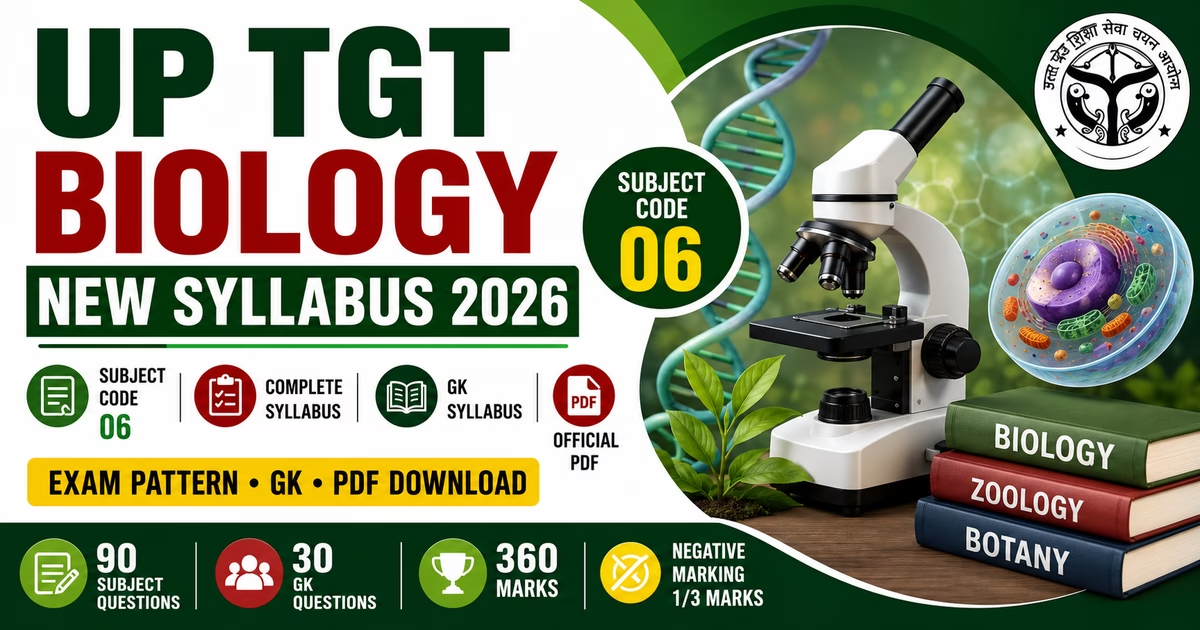
UP TGT Biology New Syllabus 2026: Subject Code 06, GK, PDF & Exam Pattern
UP TGT Biology New Syllabus 2026 की पूरी जानकारी इस पोस्ट में आसान और व्यवस्थित तरीके से दी गई है। इसमें Biology के निर्धारित syllabus के साथ General Knowledge, exam pattern, negative marking, official syllabus PDF और preparation strategy को भी शामिल किया गया है।
यह post विशेष रूप से उन अभ्यर्थियों के लिए तैयार की गई है जो UP TGT Biology Syllabus 2026, UP TGT Biology New Syllabus, UP TGT Biology PDF, UP TGT Subject Code 06 और UP TGT Biology Exam Pattern की जानकारी खोज रहे हैं।
2026 में जारी किया गया यह नया syllabus आगामी UP TGT परीक्षाओं के लिए महत्वपूर्ण है। इसलिए Biology विषय की तैयारी करने वाले अभ्यर्थियों को अपने अध्ययन की योजना इसी नवीन syllabus के अनुसार बनानी चाहिए।
📌 UP TGT Biology New Syllabus 2026 – Quick Overview
| Particular | Details |
|---|---|
| Exam | UP TGT – Trained Graduate Teacher |
| Subject | Biology |
| Subject Code | 06 |
| Subject Questions | 90 Questions |
| General Knowledge | 30 Questions |
| Total Questions | 120 Questions |
| Marks per Question | 3 Marks |
| Total Written Marks | 360 Marks |
| Interview | नहीं |
UP TGT written examination में 90 questions concerned subject तथा 30 General Knowledge questions शामिल होते हैं। इस प्रकार कुल 120 questions होते हैं।
प्रत्येक प्रश्न 3 marks का होने के कारण written examination का कुल maximum marks 360 है।
UP TGT में Interview नहीं है।
⚠️ UP TGT Biology Negative Marking
Revised examination framework के अनुसार TGT/PGT written examination में negative marking लागू है। गलत उत्तर पर प्रश्न के निर्धारित अंकों का 1/3 काटा जाएगा।
इसलिए 3 marks के किसी प्रश्न का उत्तर गलत होने पर 1 mark की कटौती होगी।
महत्वपूर्ण: उपलब्ध Biology syllabus PDF में marking scheme अलग से विस्तार से नहीं दी गई है। इसलिए परीक्षा के अंतिम नियमों के लिए आयोग द्वारा जारी नवीनतम official notification को प्राथमिकता दें।
📥 UP TGT Biology & General Knowledge Official Syllabus PDF
UP TGT Biology एवं General Knowledge के official syllabus को पढ़ने और download करने के लिए नीचे दिए गए button पर click करें।
📄 DOWNLOAD OFFICIAL SYLLABUS PDF🧬 UP TGT Biology Syllabus 2026 – Subject Code 06
Part A – Zoology
Official syllabus में Zoology के अंतर्गत निम्नलिखित topics दिए गए हैं:
- Non-chordata: Protozoa – Entamoeba, Plasmodium, Paramoecium, Euglena तथा Protozoa द्वारा उत्पन्न diseases.
- Porifera: Leucosolenia और Sycon.
- Coelenterata: Hydra, Obelia और Aurelia.
- Helminthes: Fasciola, Taenia और Ascaris तथा helminths द्वारा उत्पन्न diseases.
- Annelida: Nereis, Pheretima और Leech.
- Arthropoda: Cockroach, Musca, Mosquito और Palaemon तथा economic importance of insects.
- Mollusca: Unio और Pila.
- Echinodermata: Starfish.
- Protochordata: Herdmania और Amphioxus.
- Chordata – Vertebrates: Pisces – Scoliodon; Amphibia – Rana tigrina; Reptilia – Uromastix or other lizards; Aves – Columba; Mammalia – Oryctolagus.
Cell Biology & Inheritance
- Cell Biology: Micro/Ultra structure of cell, Mitotic and Meiotic division तथा Gametogenesis.
- Inheritance: Mendel and Mendelian laws, Linkage, Gene exchange (Crossing over) तथा Eugenics.
Evolution
Bio-evolution, evidences of evolution, principles of evolution, Lamarckism, Neo-lamarckism, Darwinism, Neo-Darwinism, cognitive principle of evolution, methods/processes of evolution, mutation, variance, isolation तथा evolution in different epochs/periods और human evolution.
Ecology & Pollution
- Ecology: Ecology and basic process of ecological system.
- Pollution: General knowledge of pollution.
Physiology
Physiology and Biochemicals; Digestion, Respiration, Circulation and Blood Circulatory System, Excretory System, Nervous System तथा Endocrine System का preliminary knowledge.
Biochemistry
Carbohydrate, Protein, Lipids, Enzyme तथा hormones के functions और classification का preliminary knowledge.
Embryology
Amphioxus, Frog और Poultry में embryology तथा embryonic development की outlines और mammals में placenta.
Biogeography
Principle zoogeographic regions और animal inhabitants.
🌿 Part B – Botany
1. Viruses
Definition, nature, transmission, symptoms तथा importance of viruses.
2. Lichens
Structure and forms, reproduction, economic importance, symbiotic association तथा significance.
3. Algae
Classification of algae; blue-green algae, green algae, brown algae तथा red algae; structure, life cycle और economic importance of Nostoc, Chlamydomonas, Volvox, Ulothrix, Spirogyra, Oedogonium, Ectocarpus तथा Batrachospermum.
4. Fungi
Classification, major groups, structure, habitat, life cycle तथा economic importance of Mucor, Rhizopus, Pythium, Albugo, Saccharomyces, Penicillium, Puccinia तथा Agaricus.
5. Bryophyta
Classification and characteristics of major groups तथा habitat और life cycle of Riccia, Marchantia तथा Funaria.
6. Pteridophyta
Classification and characteristics of major groups तथा habitat और life cycle of Lycopodium, Selaginella, Equisetum तथा Marsilea.
7. Gymnosperms
Classification and characteristics of major groups, habitat, structure, life cycle तथा economic importance of Cycas and Pinus.
8. Palaeobotany
Geological time scale, types of fossils and fossilization तथा importance of palaeobotany.
🌱 Taxonomy, Economic Botany & Plant Structure
Taxonomy – Systematic Botany
Angiosperm classification up to families according to Bentham and Hooker system, including Ranunculaceae, Brassicaceae (Cruciferae), Papaveraceae, Caryophyllaceae, Fabaceae (Leguminosae), Rosaceae, Cucurbitaceae, Apiaceae (Umbelliferae), Asteraceae (Compositae), Solanaceae, Acanthaceae, Lamiaceae (Labiatae), Euphorbiaceae, Liliaceae तथा Poaceae (Gramineae).
Economic Botany
Timber, fibres, oils, medicines, beverages तथा spices yielding plants.
Morphology and Anatomy
External morphology of root, stem, leaf and flower; types of inflorescence; plant tissues and tissue systems; anatomical features of stem and leaf; primary and anomalous secondary growth in Tinospora, Dracaena, Achyranthes, Boerhaavia तथा Nyctanthes.
Embryology
Microsporogenesis, megasporogenesis, male and female gametophytes, fertilization, embryo and endosperm तथा life cycle of angiosperms.
Ecology
Ecosystem and environment, autecology, plant community, ecological succession, plant adaptation तथा environmental components और उनका impact on human life.
🔬 Cell Biology, Genetics, Development & Plant Physiology
Cell Biology, Genetics and Development
Plant cell, cell wall, cell organelles, cell division with basic knowledge and significance, chromosome structure and chemistry, Mendelism, linkage and gene interaction, sex determination, mutation, polyploidy तथा theories of evolution.
Plant Physiology
Water absorption, ascent of sap, transpiration, essential mineral elements and deficiency symptoms, photosynthesis, respiration, translocation of organic solutes, protein synthesis, nitrogen cycle तथा plant growth regulators (plant hormones) और उनके mechanism of action.
Soil Science
Soil Science, soil formation, types of soil तथा soil erosion.
📚 General Knowledge Syllabus – 30 Questions
इकाई 1 – समसामयिकी
- राज्य, राष्ट्रीय एवं अन्तर्राष्ट्रीय महत्व की सामयिक घटनाएँ
- चर्चित व्यक्तित्व
- खेल
इकाई 2 – भारतीय इतिहास, भारतीय राजव्यवस्था, भारतीय अर्थव्यवस्था एवं भारत का भूगोल
- भारतीय इतिहास एवं भारतीय स्वतंत्रता आन्दोलन
- भारतीय संविधान एवं राज व्यवस्था
- शैक्षिक व्यवस्था से संबंधित विधिक एवं संवैधानिक विकास
- भारतीय अर्थव्यवस्था
- भारत का सामान्य भूगोल एवं जनसंख्या
इकाई 3 – सामान्य विज्ञान, सूचना एवं संचार प्रौद्योगिकी
- सामान्य विज्ञान, समसामयिक संदर्भ में प्रौद्योगिकी एवं पर्यावरण
- मानव स्वास्थ्य एवं स्वच्छता – विटामिन, खनिज, रोग, अल्पताजन्य रोग, हार्मोन्स एवं एन्जाइम
- कम्प्यूटर और इंटरनेट शब्दावली
- आईसीटी के अनुप्रयोग
- शैक्षिक प्रौद्योगिकी में विकास
📊 UP TGT Biology Exam Pattern – Section Wise
| Section | Questions | Marks |
|---|---|---|
| Biology – Concerned Subject | 90 | 270 |
| General Knowledge | 30 | 90 |
| Total Written Examination | 120 | 360 |
🎯 UP TGT Biology Preparation Strategy
- सबसे पहले official syllabus को topic-wise divide करें।
- Zoology में classification, structure, life cycle और diseases से जुड़े निर्धारित topics के concise notes बनाएं।
- Botany में algae, fungi, bryophyta, pteridophyta, gymnosperms और taxonomy को comparative तरीके से पढ़ें।
- Cell Biology, Genetics, Evolution, Ecology और Physiology को conceptual clarity के साथ तैयार करें।
- Syllabus में दिए गए organisms और scientific names को बार-बार revise करें।
- 30 GK questions के लिए Current Affairs, History, Polity, Economy, Geography, General Science और ICT की नियमित तैयारी करें।
- Negative marking को ध्यान में रखते हुए mock tests में accuracy और question selection पर विशेष ध्यान दें।
🔗 UP TGT New Syllabus Series – Related Posts
UP TGT की अन्य subjects की नवीन syllabus posts भी हमारी website पर पढ़ें:
❓ UP TGT Biology New Syllabus 2026 – FAQs
Q1. UP TGT Biology का Subject Code क्या है?
UP TGT Biology का Subject Code-06 है।
Q2. UP TGT Biology में कितने Subject Questions हैं?
Concerned Biology subject से 90 Questions हैं।
Q3. General Knowledge के कितने Questions हैं?
Common General Knowledge syllabus में 30 Questions हैं।
Q4. UP TGT Biology written examination कितने marks का है?
Written examination का total maximum marks 360 है।
Q5. क्या UP TGT Biology में Interview है?
नहीं। UP TGT में Interview नहीं है।
Q6. क्या UP TGT Biology में Negative Marking है?
Revised examination framework के अनुसार negative marking लागू है। गलत उत्तर पर निर्धारित marks का 1/3 काटा जाएगा।
Q7. Biology syllabus में Zoology और Botany दोनों हैं?
हाँ। Biology syllabus में Zoology और Botany दोनों शामिल हैं।
Q8. UP TGT Biology Official Syllabus PDF कहाँ से download करें?
इस post में दिया गया Download Official Syllabus PDF button UP TGT Biology & GK की official syllabus PDF से directly connected है।
📌 UP TGT Biology New Syllabus – Final Checklist
- ✅ Subject Code – 06
- ✅ Zoology
- ✅ Botany
- ✅ Cell Biology & Genetics
- ✅ Evolution
- ✅ Ecology & Pollution
- ✅ Physiology & Biochemistry
- ✅ Embryology & Biogeography
- ✅ Taxonomy & Economic Botany
- ✅ Plant Morphology & Anatomy
- ✅ Plant Physiology & Soil Science
- ✅ General Knowledge – 30 Questions
- ✅ Subject – 90 Questions
- ✅ Total Written Questions – 120
- ✅ Total Written Marks – 360
- ✅ TGT Interview – नहीं
- ✅ Negative Marking – 1/3
🏆 UP TGT Biology Preparation Formula
Official Syllabus → Zoology → Botany → Cell Biology → Genetics → Evolution → Ecology → Physiology → GK → MCQs → Mock Tests → Accuracy → Revision
आगामी UP TGT Biology परीक्षा की तैयारी करते समय official syllabus को आधार बनाकर प्रत्येक निर्धारित topic को क्रमवार पूरा करें और उसके बाद topic-wise practice तथा mock tests करें।
⚠️ Important Disclaimer
यह article UP TGT Biology एवं General Knowledge syllabus को अभ्यर्थियों की सुविधा के लिए सरल और व्यवस्थित रूप में प्रस्तुत करता है।
Biology के विषयगत topics को official syllabus के आधार पर रखा गया है। परीक्षा की marking scheme, recruitment rules अथवा अन्य examination-related conditions के लिए आयोग द्वारा जारी नवीनतम official notification को अंतिम एवं मान्य माना जाना चाहिए।
📢 महत्वपूर्ण: 2026 में जारी यह नया पाठ्यक्रम आगामी UP TGT परीक्षाओं के लिए नया syllabus है। यदि भविष्य में आयोग कोई संशोधन अथवा नया notification जारी करता है, तो नवीनतम official information को प्राथमिकता दें।